
Rebuilding Functional Ground After Disturbance
Site and Property Restoration in Gainesville for disturbed, eroded, washed-out, or damaged areas after construction, drainage failure, or weather events
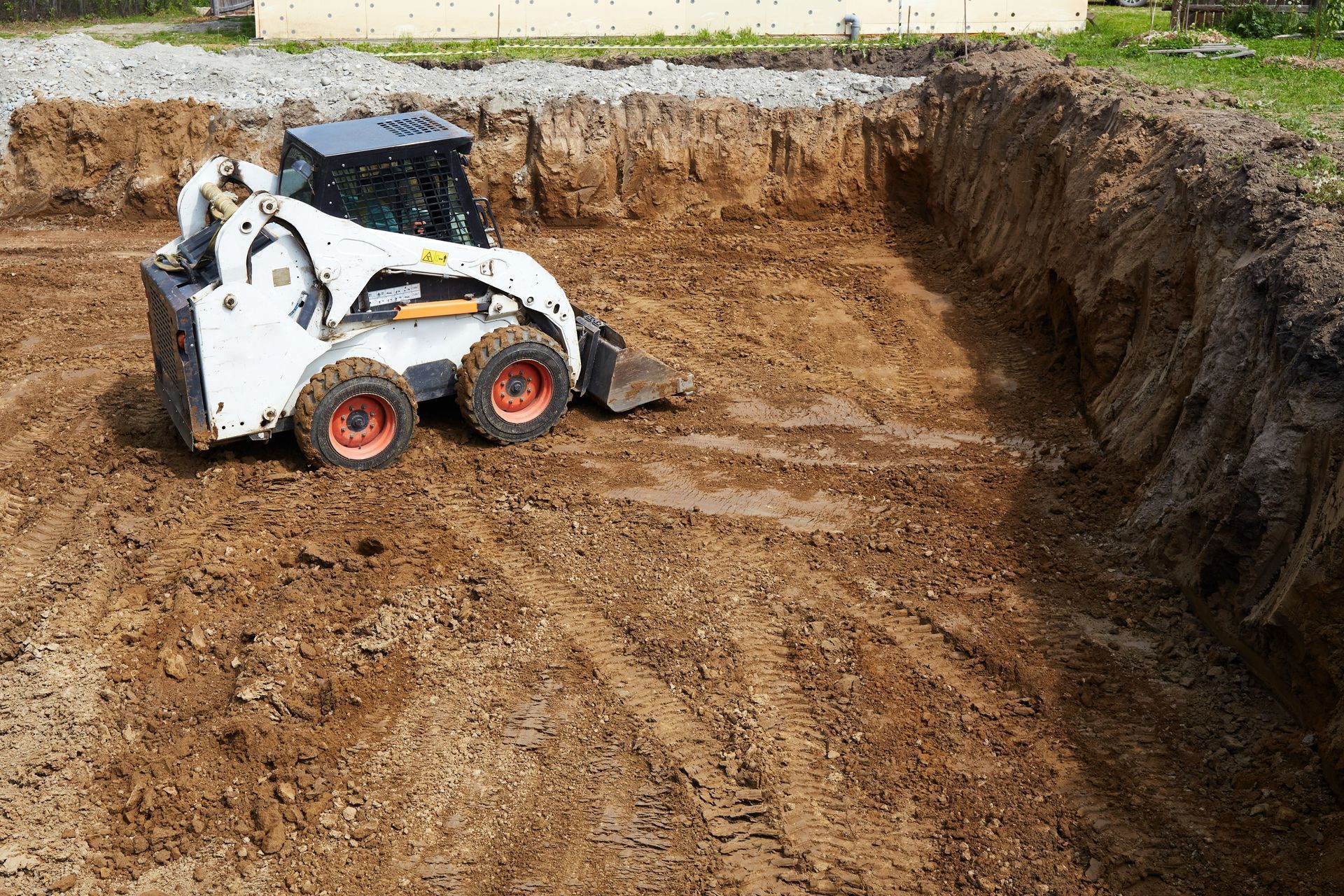
Eroded slopes, washed-out access routes, and disturbed yard areas left unstable after construction or repeated runoff events compromise how properties function and appear. Site restoration involves reshaping affected soil, correcting the grades that allowed erosion to develop, stabilizing areas where water removed material, and rebuilding driveways or pathways that deteriorated under weather or equipment traffic. Black Rock Excavation restores properties across North Georgia where sloped terrain and intense rainfall accelerate soil movement once vegetation or stable grades are disrupted. The work returns disturbed ground to a functional, properly shaped condition that supports intended use and resists further deterioration.
Restoration addresses the underlying cause of damage, not just the visible symptoms, by reshaping slopes to prevent future washouts, establishing drainage that intercepts runoff before it erodes rebuilt areas, and compacting soil where settling or equipment traffic left loose, unstable ground. The scope depends on what failed, whether that involves filling gullies carved by concentrated stormwater, rebuilding gravel drives undermined by poor subsurface drainage, or recontouring yards left uneven after utility trenching or foundation work.
Request a property assessment to evaluate damaged areas and discuss how restoration work will correct grades and stabilize affected ground.
Why Erosion Happens and How to Stop It
Restoration begins by identifying what allowed soil to move in the first place, whether that involves slopes too steep to hold material during heavy rain, runoff concentrated into narrow pathways instead of spreading across the terrain, or clay subsoil exposed after topsoil washed away. Operators reestablish grades that shed water without creating erosive flow velocity, import material where soil volume was lost to washouts, and compact fill to match the density of undisturbed ground surrounding the damaged area.
After restoration, you notice slopes that hold their shape through storm events, access routes that remain passable instead of rutting into impassable mud, and yard areas where grass or groundcover can reestablish without washing away during the next significant rainfall. Erosion channels disappear, replaced by smooth grades that direct water toward controlled drainage pathways. The property regains the usability it had before disturbance occurred, with soil conditions stable enough to support regular activity.
Restoration work often includes installing temporary erosion control measures such as silt fencing or straw mulch to protect reshaped soil until vegetation establishes, particularly on slopes where North Georgia's summer thunderstorms can move freshly graded material before root systems develop. Projects also address whether subsurface drainage is required to prevent recurring saturation that leads to soil creep and renewed instability.
What Property Owners Usually Ask
Restoration needs vary based on what caused the disturbance, how much soil was lost, and whether underlying drainage or grading contributed to the damage.
What causes erosion to accelerate on North Georgia properties?
Sloped terrain combined with clay soils that don't absorb rainfall forces water to flow across the surface, and once vegetation is disturbed or grades are altered, concentrated runoff carves channels that deepen with each storm.
How does restoration differ from basic regrading?
Restoration includes correcting the conditions that caused damage, such as installing drainage to intercept runoff, reshaping slopes to reduce flow velocity, and stabilizing soil so future weather events don't recreate the same failure pattern.
What determines whether imported soil is needed during restoration?
Import becomes necessary when erosion removed more material than can be redistributed from adjacent areas, or when existing soil lacks the clay content or compaction characteristics needed to rebuild stable grades.
When should restoration happen after damage occurs?
Addressing disturbance promptly prevents erosion from worsening, particularly before wet seasons when runoff will continue moving soil and deepening channels if grades remain unstable.
What indicates that restored areas have stabilized successfully?
Restored ground maintains its shape through multiple rain events, vegetation establishes and spreads across reshaped slopes, and previously eroded zones no longer show signs of active soil movement or washout development.
Black Rock Excavation evaluates the extent of disturbance and the conditions that contributed to erosion or instability before developing a restoration plan that addresses both visible damage and underlying causes. Arrange an on-site evaluation to review damaged areas and restoration requirements at (770) 654-8738.