
Slopes and Surfaces Built for Function
Land Grading and Yard Reshaping in Gainesville for uneven areas, poor drainage, and preparation for property improvements
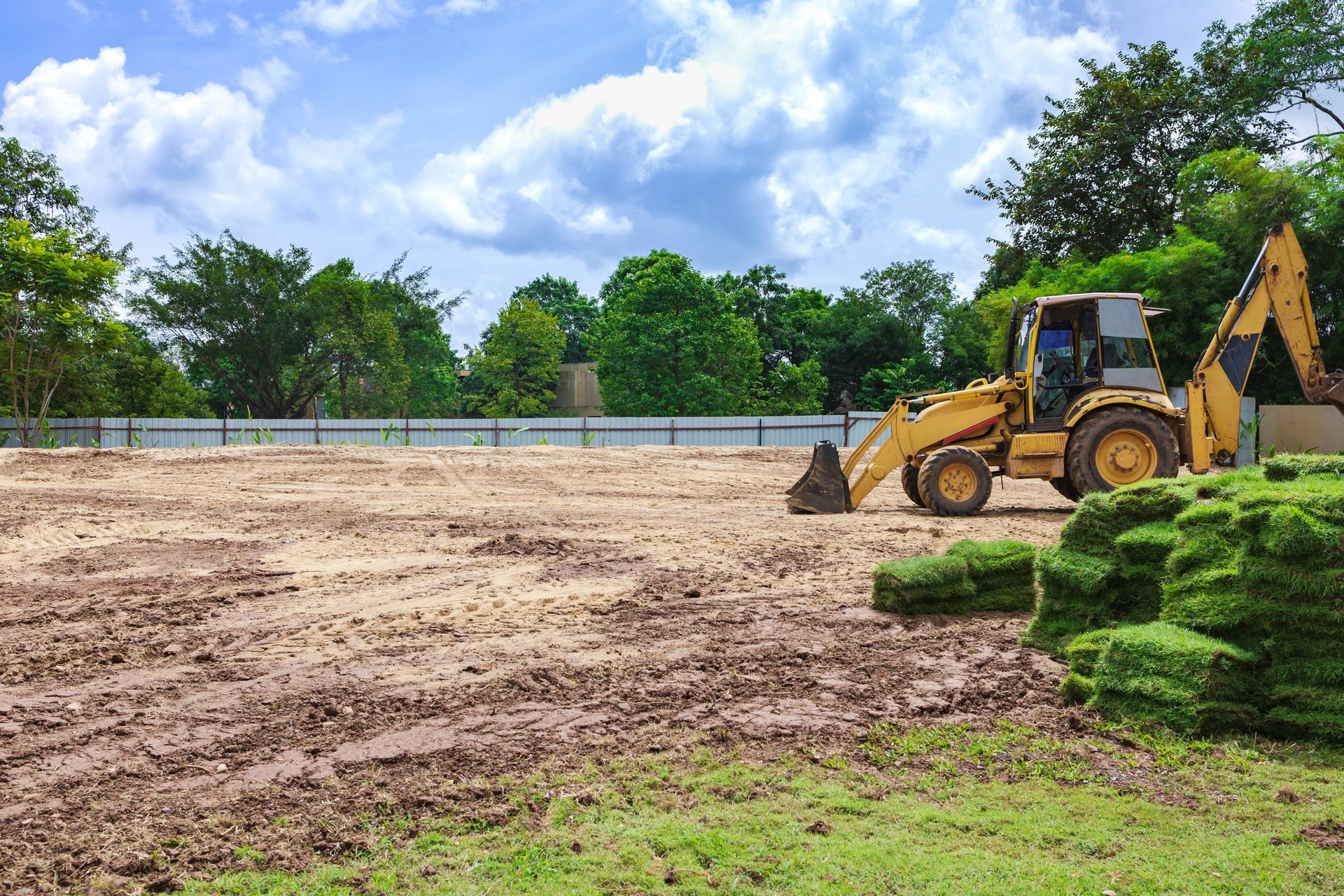
Uneven yard elevations create low spots where water pools, slopes that direct runoff toward structures instead of away, and irregular terrain that limits how outdoor spaces can be used. Grading reshapes those elevations through controlled earthmoving, establishing positive drainage away from homes, correcting slopes that cause erosion, and creating level or gently sloped areas where future landscaping, patios, or access routes will sit. Black Rock Excavation performs land grading across Northeast Georgia, where rolling terrain and clay soils require reshaping to manage the surface water movement that naturally follows each property's topography.
The work involves cutting high areas and filling low zones to achieve target elevations, compacting fill material so it supports future improvements without settling, and shaping final grades that move stormwater toward intended drainage pathways. Operators use laser-guided equipment on larger sites and manual grade checks on residential yards where precision within inches determines whether water flows correctly after the earthwork is complete.
Schedule a grading consultation to review elevation concerns and discuss how reshaping affects drainage and site usability.
What Changes After Grading Corrects Site Elevations
Grading projects start with establishing benchmark elevations and identifying where soil needs to be added, removed, or redistributed to achieve the intended slope and drainage pattern. Black Rock Excavation calculates cut and fill volumes, determines whether imported material is required when existing soil volume is insufficient, and sequences earthwork to avoid rehandling material multiple times. North Georgia's clay content means fill areas must be placed in lifts and compacted incrementally, preventing future settling that would undo the drainage corrections the grading was meant to establish.
Once grading is finished, you notice water flowing visibly away from the foundation during rain, yard areas that remain usable instead of turning into saturated mud zones, and level spaces where sheds, patios, or vehicle parking can be installed without additional site preparation. The ground feels firm underfoot rather than spongy in areas where fill was added, and slopes maintain their shape through wet seasons instead of eroding into channels.
Grading includes establishing transition slopes between reshaped areas and existing terrain, ensuring that drainage improvements don't create new erosion points where elevation changes occur abruptly. Final elevations account for topsoil placement if landscaping will follow, preventing the need to rework grades after planting beds or sod installation compress the surface.
Common Questions About This Service
Properties in Gainesville vary widely in slope, soil composition, and existing elevations, each affecting how grading projects proceed and what outcomes are achievable.
What determines the target slope for proper yard drainage?
Grading typically establishes a minimum two percent slope away from structures, translating to roughly three inches of elevation drop per twelve feet of horizontal distance, enough to move water without creating erosion from excessive flow velocity.
How does clay soil affect grading and compaction requirements?
Clay compacts effectively when moisture content is controlled but swells when saturated and cracks when overly dry, requiring operators to monitor soil conditions and adjust compaction timing to achieve stable fill areas.
What preparation happens before grading equipment reshapes yard elevations?
Utility lines are marked, trees intended for preservation are flagged, and benchmark elevations are established so operators know exactly how much soil to cut or fill at each point across the site.
When does grading require imported fill material instead of redistributing existing soil?
Import becomes necessary when low areas requiring fill exceed the volume of soil available from cutting high zones, or when existing soil contains excessive organic material that won't compact into stable fill.
What happens to grades after heavy rainfall tests the reshaped terrain?
Properly compacted and sloped grading maintains its shape and drainage function, though initial settling may occur in fill areas during the first wet season, requiring minor touch-up grading once soil fully consolidates.
Black Rock Excavation assesses existing elevations and drainage patterns before recommending grading solutions that address water movement, usability, and preparation for planned property improvements. Set up a site review to discuss reshaping options and elevation corrections at (770) 654-8738.